

Pipeline Blog
Actionable sales, outbound, and GTM insights from the team building pipeline every day.
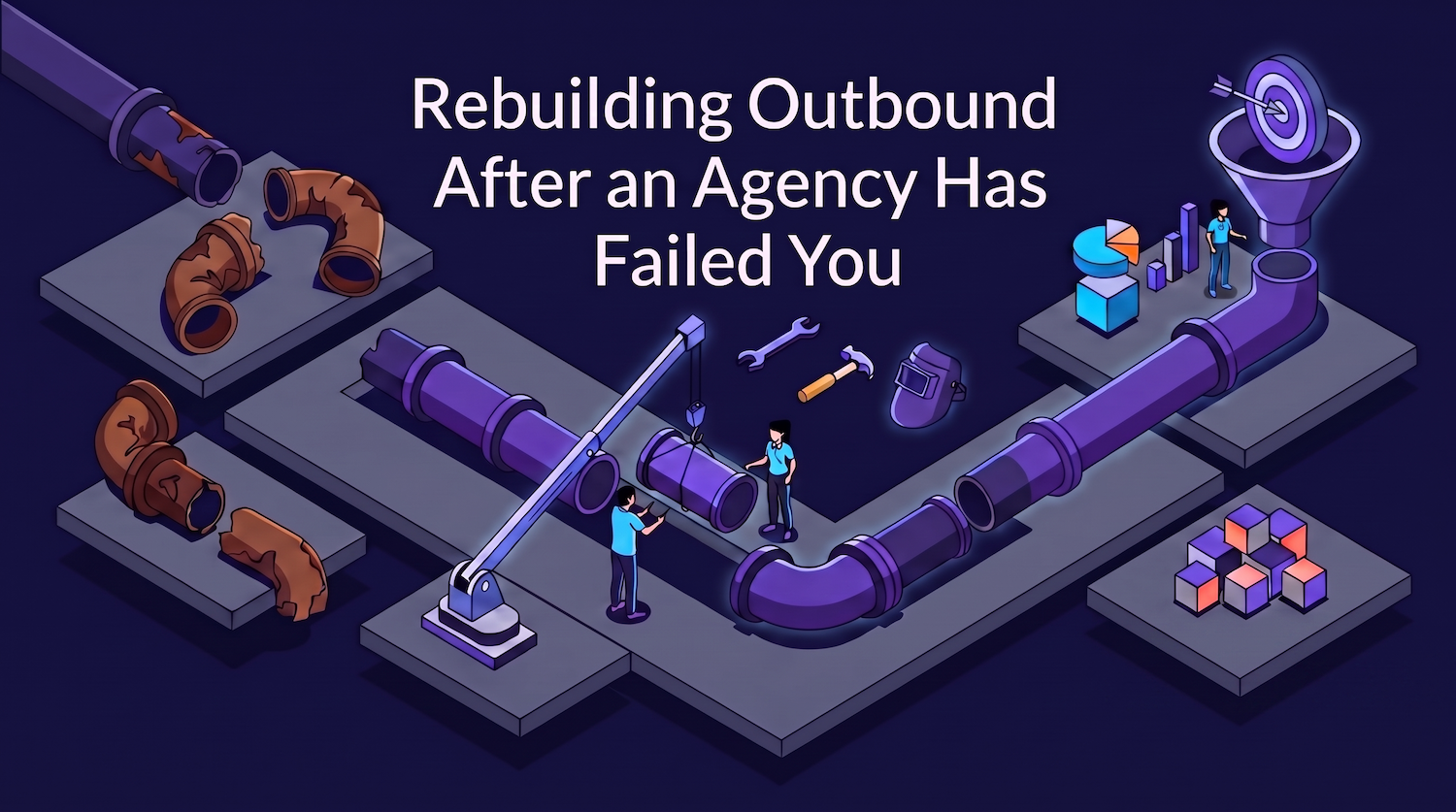

Run a nine-question post-mortem
The first five questions identify what you experienced:
- Did the agency over-promise and under-deliver?
- Were expectations misaligned?
- Was there a lack of transparency?
- Were plenty of meetings booked, but very few converted?
- Were too few meetings booked?
The next four help explain why:
- Where did the data come from, and was it fresh and validated?
- What changed between the first and third month?
- What did the technology actually do?
- What access did you have to the person making the calls?
These are different failures and require different remedies.
1. Over-promising and under-delivery
Over-promising begins in the agency’s sales process. If the forecast used to win the contract was unrealistic, the engagement was measured against the wrong expectation from the start.
Changing supplier may solve this, but only if the next provider sets expectations using evidence rather than another generic meetings promise.
2. Misaligned expectations
Misalignment is usually a specification failure.
Before work begins, both sides should agree what a qualified meeting means, who can decide that a meeting does not count and how long the ramp period is expected to take.
Without that agreement, the client and agency may be working towards different definitions of success.
3. Weak transparency
Weak transparency is a reporting failure.
Before signing, establish what reporting you will receive, how often and in how much detail.
Headline activity figures are not enough if they do not explain what is working and what is changing.
4. Plenty of meetings, but few conversions
This is an outcome rather than a diagnosis.
The meetings may have been poorly qualified or aimed at the wrong buyers. But also examine the internal sales process: qualified meetings are difficult to close when follow-up, skills or capacity are weak.
Were the meetings fundamentally wrong, or were suitable opportunities not converted after handover?
5. Too few meetings
Low meeting volume can be caused by an unclear ideal customer profile, weak messaging, poor data, ineffective execution or a lack of optimisation.
Increasing activity does not fix those problems. It normally exposes more of the same audience to the same ineffective approach.
Examine how the campaign was operated
6. Was the data fresh and validated?
People change jobs, companies are acquired and domains change.
An SDR working from stale data wastes time on dead addresses and wrong-fit companies. Activity cannot compensate for that.
Ask where the data came from and how it was cleaned, enriched and validated.
7. What changed over time?
Segmentation and messaging are hypotheses, not permanent settings.
If nothing changed between month one and month three, the campaign was executed rather than optimised. It should generate evidence about which companies, buyers and messages produce engagement, and that evidence should shape what happens next.
8. What was the technology actually for?
“Technology-enabled outbound” can mean two different things.
Personalisation at scale multiplies output, but the edge comes from utilizing tools and AI for tasks such as account scoring, context gathering, drafting and SDR feedback and training. The difference shows up in meeting quality more than count.
The strongest use of technology supports human judgement rather than replacing it.
9. Did you have access to the SDR?
Hearing your product pitched cold by the person representing you shows whether they understand your value proposition, buyers and likely objections—and whether they can hold a credible conversation.
Would the failure follow you?
Three things need to be in place for outsourced sales development to work:
- A clear understanding of who your customers are
- A value proposition that survives a cold conversation
- Someone internally with the capacity to close what gets booked
Change the supplier in your head while leaving everything else untouched. Would the outcome improve?
If not, another part of the system also needs attention. That does not excuse poor agency delivery; it reduces the risk of repeating the failure.
What to agree before signing again
Three agreements remove much of the ambiguity that damages outsourced outbound engagements.
Whose definition of a qualified meeting applies?
Our view is that the standard should be the client’s and agreed before work begins.
Qualification is part of the targeting specification. Whoever defines it influences who is contacted and which conversations reach sales.
What reporting will you receive?
Ask exactly what you will see and how frequently you will see it.
Useful reporting should show what is happening, what is being learned and what is changing as a result, not simply confirm that activity took place.
When will feedback happen?
Provide feedback after every meeting from the beginning. Explain what was relevant, what was not and whether the opportunity matched the agreed criteria.
Do not wait until 20 meetings have taken place before saying they are wrong. Until feedback is provided, the agency continues working from the original specification and any misunderstanding is repeated. We ask for feedback on every meeting to ensure we’re delivering as expected.
How we do it at Pipeline
After a failed engagement, the next provider should be able to show how its delivery model addresses the causes you have identified—not simply make a different promise.
A strong partner should demonstrate five connected capabilities:
- Qualification: Meetings are assessed against criteria agreed before outreach begins, so both sides share the same definition of suitability.
- Data and targeting: Target lists are built and refined using clean, enriched data rather than treated as a one-off input.
- Execution: Messaging is tailored to the market, buyer and problem, then adjusted as the campaign produces evidence.
- Optimisation: Activity, engagement and outcomes influence targeting and messaging while the campaign is running.
- Reporting and access: Clients can see what is happening, understand what is changing and communicate with the people managing and delivering the work.
Underneath all five sits the ICP and messaging work completed at the start of an engagement. Technology supports account scoring, context gathering, drafting, campaign analysis and SDR development. Its role is to make an expert SDR better at the job, not replace them.
Clients also meet the person working on their project and hear how they would pitch the product cold. This happens after they become a client, rather than during the sales process.
Frequently asked questions
How do I know whether the agency was the problem?
Look at where the failure occurred.
Unsupported forecasts, poor-quality data, weak execution, limited reporting and a lack of optimisation point towards the agency. However, unclear targeting, an unproven value proposition, slow follow-up or limited closing capacity may indicate that the problem was shared.
What needs to be in place before appointing another provider?
You need a clear understanding of your customers, a value proposition that works in a cold conversation and someone internally who can progress the meetings generated.
These foundations are required whether sales development is outsourced or built internally.
Before you sign anything
Answer the nine questions in writing before speaking to another provider.
The exercise will help you separate the failures that belonged to the previous agency from the issues that need to be corrected before the next campaign begins. That diagnosis should determine what you buy next.
If you want to work through the rebuild with Pipeline, we can begin with a one-month engagement to keep the initial risk low.
Sources
Before replacing an outbound sales agency, diagnose what actually failed.
A poor engagement may involve over-promising, weak transparency, poor meeting quality or too few meetings. The cause could be the data, a lack of optimisation, the technology or the person making the calls.
Changing supplier may solve some problems. Others may follow you.
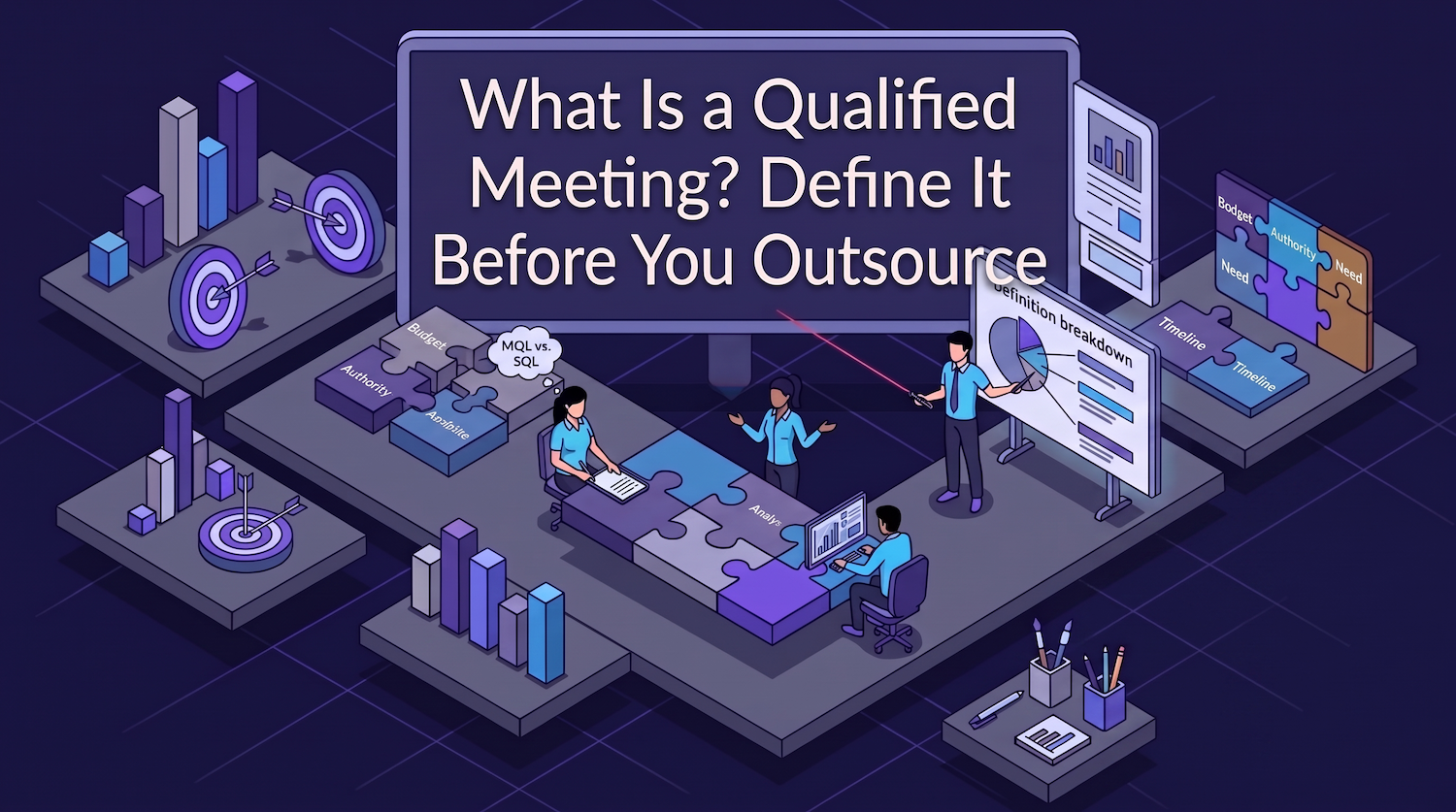
TL;DR — There is no industry-standard definition of a qualified meeting, and there shouldn't be. What counts as qualified for a £4,000 product is not what counts for a £400,000 one. Agree it in writing before outreach starts, specific enough that either side can look at a meeting and say plainly whether it counts. An argument about meeting quality is what it looks like when quality was never defined.
To optimise your sales pipeline to its fullest potential, it is crucial to regularly ask the right questions to find any hidden prospects, areas that need to be fixed, and what strategies can be adjusted.

1. Access to specialised expertise
It is easy to get lost in B2B sales, as many risks are involved when dealing with sales and salespeople. One of those risks is hiring someone who is not skilled and lacks adaptability. Sales-as-a-Service provides experienced executives who are trained and familiar with B2B sales and can help with various parts of the sales process. For instance, Pipeline’s Sales-as-a-Service package includes discovery, lead nurturing, a full sales cycle, and an account manager. This means B2B companies can increase their chances of closing deals and developing stronger relationships with prospects. Our offering allows companies to engage with industry-specific sales expertise without the associated costs of building an expert from scratch or the delays that come with recruitment.
2. Cost efficiency and scalability
Creating an internal sales team is costly as it involves on-site training, salaries, overheads, and other employee benefits, such as insurance. When business demand fluctuates, companies may either have a sales team that is not fully functional or have to make do with a lack of salespeople during the peak seasons.
With Sales-as-a-Service, the sales team can be increased or decreased according to the business's needs while only paying for what is needed. Pipeline provides the infrastructure and takes care of all the expenses associated with having a sales team, allowing businesses to concentrate on their primary activities and manage their resources more productively.
3. Reduced HR burden and risks
One of the major advantages of Sales-as-a-Service is that it eliminates the HR challenges associated with maintaining an internal sales team. Another noteworthy advantage is that it does not pose HR risks when developing an in-house sales team. Salespeople must be recruited, trained, and supervised, which is a time-consuming and resource-intensive process for the human resource department. B2B companies can outsource some of the key aspects of the sales process and free up resources that would otherwise be used to manage other resources. This model allows companies to get trained and competent professionals without the burden of administrative aspects, which is quite beneficial for companies as it helps smoothen the integration of the professionals into their workflows.
4. Data-driven sales strategies
The selling process in the modern world is increasingly based on numbers, and companies use metrics to set leads, monitor communication, and evaluate results. Sales as a Service is usually well stocked with state-of-the-art sales technology to help companies make the right decisions based on real-time data. At Pipeline, CRM management, data cleaning, and analysis tools are applied to optimise and personalise prospects' approaches. This allows for increased deal efficiency and the detection of new prospects among existing customers. For B2B companies, this means better efficiency and a better return on investment.
5. Shortened sales cycles
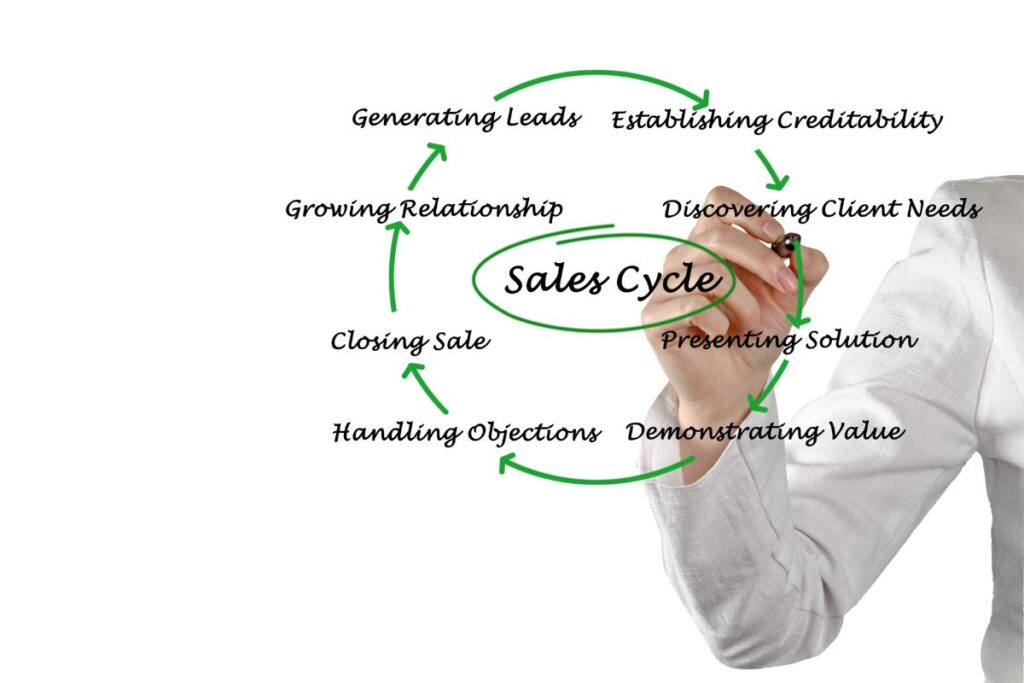
A common problem for B2B sales is that the sales cycles are pretty long. Leads, qualifications, and closure can take months. Sales-as-a-Service helps by adopting effective and timely lead qualification and outreach strategies. When outsourcing these types of tasks, B2B companies can be assured that only the most promising leads are engaged, minimising the time spent on unproductive leads. This reduces the time taken for the sales process and increases the overall conversion rates.
6. Enhanced flexibility in target markets
It is equally important for B2B companies to have a wide range of target markets, which may be hard for in-house teams to manage. Companies can target new territories without investing in growing the internal team.
This sales model also helps service providers to be versatile and answer the needs of different industries and market segments with other sales strategies. For instance, Pipeline conducts market analysis to identify the specificities of each sector and adjust the approach accordingly. This is especially useful to B2B companies who want to tap into new business opportunities without overstretching their capacity.
7. Improved customer experience
Prospects want top-notch service and quick responses; the deal may be lost if these expectations are not met. Sales-as-a-Service providers use a proactive sales approach to make sure that leads are converted and potential customers are engaged throughout the sales process. Having distinct sales teams solely responsible for outreach, follow-ups, and relationship building makes every touchpoint meaningful. For B2B companies, this is crucial for building trust and developing lasting relationships with clients.
Open More Doors With Sales-as-a-Service
Sales-as-a-Service is revolutionising the sales functions of B2B companies. It provides specialised knowledge, is cost-effective, and can be scaled up or down. It also lightens the burden of HR and uses data to its advantage, which allows businesses to compete in the current climate. It is also important because it allows companies to enter new markets and improve customer service. If your company is looking for a practical approach to increasing the efficiency of sales activities and overall business development, it is time to consider Sales-as-a-Service. This approach can open more doors to more fruitful opportunities.https://pipelinepro.agency/sales-as-a-service/
Traditional sales methods, where in-house teams undertake all the processes, are gradually becoming inefficient and costly. This is where Sales-as-a-Service comes in; this model allows certain aspects of the sales function to be subcontracted to specialised sales solutions providers like Pipeline Professional Services. Our team has put together the top 7 reasons why Sales-as-a-Service is a game-changer for B2B companies.

1. The Hidden Costs of Hiring Salespeople In-House
On the surface, it seems that hiring a salesperson within the company is rather simple: you advertise a job, search for an applicant, give them a wage and wait for them to do their job. But it is not that simple.
This is the detailed cost of employing an in-house salesperson:
Salaries
- Entry-Level salesperson (0-2 years of experience): £18000 - £25000 per year
- Mid-Level salesperson (2-5 years of experience): £25000 - £35000 per year
These base salaries might look quite affordable, but they do not show all the costs that come with it. For example, you may have to increase the salary that you offer to potential candidates because of competition from other companies. However, salaries are only the tip of the iceberg since other costs come with employing an in-house salesperson.
Bonuses and Commissions
Sales roles are usually performance-based, which means you’ll need to account for bonuses and commissions on top of their salary.
- Average bonus and commission: £5000 or more per year, depending on performance
- Commission structure: Ranges from 5-15% of sales generated, depending on your industry and sales cycle
Although these incentives are meant to motivate the sales team, they can negatively impact your financial plan if your team does not achieve the target revenue. These bonuses and commissions are reviewed every year based on performance, which creates some uncertainty when it comes to budgeting.
Recruitment Fees
Finding the right sales talent isn’t easy. The process requires time, effort, and often, a significant financial investment. If you’re using a recruitment agency, they typically charge 15-25% of the salesperson’s first-year salary. If you manage the recruitment process internally, you’ll still face costs related to advertising, and interviewing. These recruitment-related costs add up quickly and they’re just one part of the overall hiring process.
Training and Onboarding
Training and onboarding a new salesperson requires a substantial investment of time and money. New hires need to understand your company’s products, services, sales processes, and market positioning. The costs involved in training could include:
- Initial training: £1500
- Ongoing development: £1500 per year
But the costs don’t end there. During the onboarding period, new hires may not be fully productive and may require extra supervision. This downtime can result in lost opportunities and delayed revenue generation.
Employee Benefits and NICs
In addition to salaries and commissions, hiring an in-house employee involves providing benefits like pensions, healthcare, and NICs. In the UK, the employer's contributions can be rather substantial.In addition to direct salary-related costs, you must account for office space, equipment, and technology. These costs can add another 20-40% to the direct cost of the employee:When you add all of these costs up, a mid-level salesperson with a £30000 salary can cost your business anywhere between £50000 and £60000 in their first year alone.
These base salaries might look quite affordable, but they do not show all the costs that come with it. For example, you may have to increase the salary that you offer to potential candidates because of competition from other companies. However, salaries are only the tip of the iceberg since other costs come with employing an in-house salesperson.
2. The Risk Factor: Employee Turnover and Underperformance
The major challenge that you could face when hiring salespeople includes the issue of turnover when employing them. This is because sales positions are stressful and people experiencing burnout is common. The star performers always quest for better pastures and could leave you with the burden of having to recruit again. Another risk is underperformance. It is not always possible to judge how effective a salesperson will be regardless of their experience. This can also affect the morale of the team members and also have a negative impact on the image of your company in the market.
3. Outsourcing: A Cost-Effective, Scalable Alternative
Outsourcing allows you to control the costs, use the services of experienced salespeople, and adapt the size of your team to the needs of your company. With outsourcing, the company is able to have the opportunity to concentrate on the development of the business without being bothered with issues such as recruitment, training of employees and other overheads such as employee benefits. Pipeline Professional Services offers you sales experts who are well-prepared, well-motivated, and well-equipped to manage all the activities involved in sales, including lead generation and deal conversion.
Why Pipeline is the Smarter Choice for Growing Businesses
When comparing the overall costs of hiring salespeople in-house with Pipeline, it is easy to see why outsourcing is the better option. Outsourcing is an effective and economical approach that allows you to expand your business without the costs of recruiting, training and maintaining an in-house sales team. Remember, outsourcing is not only about saving money it is about making the right choices that will help your business in the long run.
Flexible monthly engagements: We offer flexible rolling monthly contracts, allowing you plug into our services for as long as you need.
No recruitment hassles: We are also liable for all the recruitment processes, such as sourcing and hiring very professional and experienced sales personnel. You will not have to search for recruitment agencies or conduct interviews.
Fully incentivised sales team: The sales team here is compensated with internal commission and bonus schemes. You get all the advantages of working with a highly motivated team, while not having to worry about the complications of compensation and incentives. With Pipeline, you are assured that your sales team is always inspired to deliver their best.
Continuous training and development: Every member of our team goes through a tried and tested Pipeline Academy. This academy is three months, but our training does not stop there, we have ongoing training and mentorship to make sure our sales knowledge aligns with the market. You will not be required to spend your time or resources in search of training or development programs during your engagement with us.
No employee benefits or NICs to worry about: All the employee-related costs such as pensions, health insurance and NIC are borne by Pipeline. This means that you will not have to incur such costs, allowing you to direct your resources to other parts of your business.
Fully equipped sales office: Our team operates from a dedicated office in Cape Town, which is fully equipped with all the tools, software, and infrastructure necessary for success. There’s no need to invest in office space, equipment, or technology, as we’ve already made those investments for you. Our team is permanently employed by Pipeline and we do not outsource any talent.
Growing a business is never simple, and every decision shapes what comes next. When it comes to scaling your sales team, one of the biggest calls is whether to hire in-house sales execs or outsource to a sales agency. Building an in-house team feels straightforward, but it comes with real costs: recruitment, training, NICs, salaries, commission, and office overheads all add up. Outsourcing your sales isn't just cheaper, it also frees you from the day-to-day responsibility of managing and committing to a team. But the real value of outsourcing isn't just about spending less. It's about making the choice that delivers better outcomes and strengthens your organisation's overall effectiveness in the long run. In this post, we break down the true cost of building a sales team from scratch, and why B2B companies in the UK are better off outsourcing to an agency like Pipeline.

It’s Not Just About Closing Deals
Sales is about people, not products. If you build a relationship based on trust the sales will naturally follow. However, this doesn’t always mean instant gratification. Building trust and cultivating strong relationships takes time, and patience is often tested.The path to success in sales can sometimes feel like a roller coaster. There are days when things seem to be clicking into place, and others when nothing goes right. You might have a streak of losses, but all it takes is one win to turn things around. It’s easy to become discouraged after a series of rejections, but it’s important to remember that success often comes when you least expect it.
The Power of Perseverance
The reality of sales is that rejection is part of the game. But as sales professionals, you must learn to embrace rejection, rather than fear it. Each no will bring you one step closer to a yes. Understanding this is key to maintaining motivation, even during difficult times.As sales leader and author Jeb Blount puts it, "Rejection is not a reflection of you as a person. It's just a part of the sales process. Learn to love it." The best salespeople don’t let rejection define them; instead, they use it as a stepping stone for improvement.
The Mental Toll of Sales
Working in sales is mentally and emotionally challenging due to the pressure to achieve sales goals and the need to constantly seek out opportunities while dealing with rejection along the way. It's easy to overlook the importance of strength and self-care when working towards success. Taking care of yourself is as important as taking care of your pipeline. You need to be at your best to give your clients the best. And that starts with taking care of your well-being. Sales professionals frequently prioritise finalising transactions over addressing their well-being needs which could lead to burnout. This will ultimately become a consequence if not managed proactively and effectively with a self-care regimen. A stress management routine is beneficial and indispensable for maintaining peak performance levels in the long run.
The Rewarding Side of Sales
Many top achievers choose to remain in the sales industry for long periods despite its difficulties because of the gratification that comes with closing deals and adding value for prospects, an experience that sets sales apart from various other professions.The potential for growth in sales is limitless. Salespeople often have control over how they approach their work. This autonomy and the opportunity to continually refine skills is a powerful motivation to keep pushing forward.
So, the next time you are facing a tough moment in sales, remember, it's just another step on the growth path. Keep going. The best is yet to come.
When sales come to mind for people it's the result that captures attention. Sealing the deal and making the sale happen; however, sales encompass more, than that moment of closure. Sales involves nurturing relationships with customers by empathising with their needs and providing solutions that benefit them. The essence of excelling in sales lies not in delivering a pitch but also, in cultivating and managing these relationships effectively over the long haul.
Setbacks are inevitable. The missed deals. The difficult clients. The rejection after rejection. While these challenges can feel like roadblocks, they are, in fact, growth opportunities. Rejection is not personal, as many top sales professionals will tell you. It’s simply a part of the process. How we respond to these setbacks determines our success; not just in terms of meeting sales quotas, but also in how we evolve as individuals and professionals.

Embracing Learning and Adaptation
A growth mindset, a concept popularised by psychologist Carol Dweck, is the belief that abilities and intelligence can be developed through dedication and hard work. This means viewing challenges as opportunities rather than insurmountable obstacles.
- Learning from Rejection: Every “no” can be reframed as valuable feedback. Analyse why a prospect declined your offer and use that information to refine your pitch.
- Continuous Improvement: Dedicate time to learning through training sessions and workshops while also seeking guidance from mentors to enhance your sales skills and boost your confidence, in your approach.
Bouncing Back from Setbacks
Working in sales can feel like a rollercoaster, with its ups and downs requiring resilience to bounce from challenges and keep motivation and momentum up.
- Maintaining Perspective: Remember that every salesperson experiences rejection. It’s part of the journey. Instead of letting setbacks define your self-worth, view them as a natural part of the sales process.
- Building a Support System: Surround yourself with supportive coworkers and mentors who offer guidance. Exchanging experiences may offer perspective and strengthen your ability to persevere through adversity.
Positivity is the Magnet for Success
Having an optimistic outlook can really impact how well you do in sales work affecting not only your drive but also how customers see you.
- Creating a Positive Environment: Cultivating positivity can be as easy as beginning your day with affirmations or expressing gratitude regularly. This type of mindset not only enhances your self-assurance but makes you more approachable when dealing with prospects.
- Influencing Client Interactions: Positivity is contagious. When you exude enthusiasm and optimism, prospects are more likely to engage and feel confident in your products or services.
Imagining Success
Visualisation is a powerful tool often used by top performers across various fields. Planning and envisioning success should be a natural vitality in sales. By picturing successful interactions and outcomes you can better prepare your mind for real-world scenarios.
- Setting Clear Goals: Visualise, not just the end goal, but the steps necessary to achieve it. Whether it's nailing a sales presentation or closing a deal, imagining each step can help you approach targets with confidence.
- Mental Rehearsal: Before meetings or presentations try envisioning yourself achieving success as a way to alleviate nervousness and boost your performance. Find your sales zen.
The Key to Adaptability
The sales environment is constantly changing due to advancements in technology and shifts in consumer behaviour, being adaptable is key to navigating these changes.
- Stay Informed: Keep abreast of industry trends and emerging tools, being knowledgeable can give you a competitive edge and allow you to pivot when necessary. Be proactive in opening up new opportunities for yourself.
- Experiment with New Approaches: Don’t be afraid to try different sales techniques or technologies. Experimentation and adjusting your approach could open up opportunities, for achieving success.
Success in sales goes beyond the products you offer or the tactics you use. Sales is significantly impacted by attitude and your approach. Nurturing your mindset can be the defining factor between sealing a deal and missing out on a promising client. By overcoming disappointments with perspective and maintaining a client-focused mindset, you're setting yourself up for lasting success. Here are a few tips on how embracing a mindset focused on growth, resilience and optimism can revolutionise your sales journey.

Hybrid and Remote Sales Teams Are Here to Stay
The upcoming year is predicted to incorporate more hybrid approaches that enable sales teams to operate efficiently from various locations. Enhancements in outreach tools have empowered sales reps to engage with customers without the necessity of travel, resulting in cost efficiencies and greater adaptability.
Hybrid work models will continue to dominate B2B sales environments, and at Pipeline, we’ve embraced this shift. Our Cape Town-based sales team operates in a hybrid structure, working three days in the office and two days remotely. By leveraging tools like Slack and Teams, we maintain seamless communication and collaboration, ensuring that our clients benefit from both in-person strategy sessions and the flexibility of remote work. This balance allows us to keep our sales execs highly productive while attracting top talent that thrives in a flexible, modern working environment. As hybrid models become the norm, companies like Pipeline are well-positioned to lead the way in delivering top-tier outsourced sales solutions.
Increased Adoption of AI and Automation
AI and automation are changing how B2B companies connect with clients and significantly improve the efficiency of daily operations. By leveraging tools like analytics and lead scoring systems sales teams are better equipped to work and concentrate on leads with the highest potential. Looking ahead to 2025 the integration of AI platforms is expected to increase, allowing for tailored content delivery strategies to aid outreach efforts and rapid data analysis like never before.
As businesses strive to stay competitive in 2025, the increased adoption of AI and automation will significantly impact business development and sales agencies. Agencies can streamline key processes like lead scoring, follow-up sequences, and customer segmentation by working with AI tools. Automation will free up valuable time for sales teams to focus on high-impact activities like relationship-building and strategic decision-making.For sales agencies, AI-driven insights will enable them to predict which leads will most likely convert, allowing them to prioritise outreach efforts effectively. Automation can also enhance customer engagement, delivering timely and relevant communication to prospects, which ultimately leads to improved conversion rates and shorter sales cycles. The integration of AI and automation will help agencies operate more efficiently, improve their scalability, and ultimately deliver greater value to clients.
Personalisation at Scale
Personalisation is set to expand beyond cold emails to influencing every step of the sales journey ranging from customised proposals to content suggestions. Integrating machine learning technologies will significantly enhance this personalisation journey by empowering sales teams with insights into their buyers' intents more than ever before. By leveraging data intelligence and analytics insights obtained from these technological applications in sales processes, sellers can create targeted strategies that resonate with buyers on a higher level.
Pipeline is a leader in B2B sales solutions, leveraging advanced technology and strategies to personalise outreach and drive engagement. By using powerful segmentation tools, Pipeline can help businesses divide their audience into specific groups based on industry, company size, and previous interactions. This allows companies to craft tailored email campaigns and marketing content that resonates with each prospect's unique needs, increasing the relevance and effectiveness of outreach.Personalisation goes beyond basic segmentation, offering dynamic solutions that adjust content in real time based on prospect behaviour. Whether it's a website visit or an earlier interaction with marketing materials, this level of personalisation makes sure businesses deliver timely, relevant content that speaks directly to each lead’s interests and pain points. By automating these processes, companies like Pipeline can scale outreach efforts while maintaining the quality of engagement, ultimately improving lead conversion rates and building stronger, more lasting relationships with potential clients.
Account-Based Marketing (ABM) Will Dominate
The future of ABMs will involve aligning data, from sales and marketing departments to ensure consistent communication across various platforms. The key objective is to nurture lasting partnerships and secure valuable transactions, by tailoring efforts to meet the distinct requirements of each account.
LinkedIn has effectively leveraged its own Account-Based Marketing strategy to drive engagement with high-value accounts, particularly in the B2B space. By using LinkedIn’s advanced ABM tools, companies can target key decision-makers within specific accounts, delivering highly personalised content and outreach directly through LinkedIn’s platform. This allows businesses to engage with their most valuable prospects in a more strategic and focused way, ensuring that the messaging resonates with the right individuals at the right time.LinkedIn’s ABM approach improves the quality of leads by allowing businesses to create tailored campaigns that speak directly to the unique needs and pain points of high-value accounts. With the platform’s robust targeting capabilities, organisations can zero in on decision-makers and influencers within these accounts, improving the chances of building meaningful relationships.
Digital-First Journeys
As more B2B buyers prefer digital channels for research and purchase decisions, B2B sales teams must adapt to a digital-first approach. Buyers now rely more on resources and product demonstrations coupled with consultations before finalising their purchases. To cater to these changing buyer behaviours salespeople must enhance their visibility, with compelling digital content.
Zoom Video Communications has transformed B2B sales by embracing a digital-first strategy, offering virtual product demos, webinars, and self-service resources that enable potential clients to explore their services without the need for in-person meetings. Since the onset of the COVID-19 pandemic, Zoom has capitalised on the rapid rise of virtual communications and remote work, providing businesses with a reliable platform to stay connected and engaged with their prospects and clients, no matter where they are.By making it easier for customers to engage with the brand online, Zoom has accelerated its sales cycle, reducing the time spent on scheduling and attending in-person meetings. This shift has increased lead conversion rates, as prospects can interact with Zoom at their convenience, making the purchasing process more flexible and accessible. Additionally, the ability to conduct business virtually has allowed Zoom to scale its outreach to a global audience, ensuring that businesses across various sectors can adopt Zoom’s solutions without geographic limitations.
Focus On Diversity, Equity & Inclusion (DEI)
A sales team consisting of people with different perspectives and backgrounds enables better connections with clients across various demographics. Cultivating a workplace culture that embraces DEI principles to attract and nurture talent aligned with these values is essential. This approach boosts client connections and enhances brand reputation by aligning with clients who value diversity and inclusion initiatives.
Microsoft has long prioritised DEI across its sales teams and wider organisational culture. Through initiatives such as inclusive hiring practices, DEI training programs, and employee resource groups, Microsoft actively fosters a workplace that values and celebrates diverse perspectives. The company recognises that a workforce that reflects the diversity of its global customer base is better equipped to understand and address the unique needs of clients across different regions, industries, and backgrounds.By focusing on creating a more inclusive environment, Microsoft has not only attracted top talent but has also built stronger, more authentic relationships with clients. This focus on DEI has translated into higher customer satisfaction, as clients feel more understood and supported by a company whose sales teams are culturally aware and sensitive to diverse business needs. These strengthened relationships have been pivotal in driving Microsoft's global sales and expanding its market share, particularly in markets where diversity and inclusivity are seen as key drivers of business success.
Even Greater Emphasis on Customer Retention
In light of the rising costs associated with acquiring customers, businesses are turning their attention to retaining existing ones. Key tactics, like tailored follow-ups and top-notch customer service, are set to play an even bigger role. Businesses that place importance on enhancing customer experience and satisfaction stand to cultivate lasting connections that result in retained business and new sales. Providing prospective clients with more than just a pitch and switch experience, but rather building a relationship and advising not just selling.Consumers have more access to information and technology than ever before. And their standards have risen significantly. They now seek tailored experiences, smooth interactions, and ethical interactions from the companies they decide to endorse. This has prompted businesses to reassess their approaches, emphasising the importance of delivering value through connections and improved customer satisfaction.
Zendesk places a major emphasis on customer retention through its customer success teams, which work to ensure that clients continue to derive value from their services. Zendesk’s focus on proactive customer support, regular check-ins, and tailored solutions has led to an impressive customer retention rate, reflecting the long-term success of its relationship-focused sales approach.
Looking ahead to 2025, the sales environment will shift due to changing buyer intents. Recent developments have evolved the sales market, resulting in a marketplace where new approaches are key to thriving. Businesses must stay ahead of these shifts and proactively predict trends to remain relevant in the competitive landscape. Understanding and adapting to these changes will be key for businesses looking to stay competitive and drive growth. Here’s a look at the top trends shaping B2B sales in 2025:

Focusing on data hygiene can boost conversion rates and sales effectiveness while nurturing customer connections. Investing in practices, like data cleaning and validation ensures businesses achieve outcomes from lead generation initiatives. Generating leads with precise, error-free data is vital for long-term growth and prosperity.
Understanding Data Hygiene in Lead GenerationData hygiene in lead generation refers to the processes and practices that ensure the integrity and quality of leads collected through various channels. This includes:
- Data Cleaning: Regularly identifying and correcting inaccuracies in lead data, removing duplicates, and standardising formats.
- Data Validation: Ensuring that leads meet predefined criteria before entered into the system, such as verifying email addresses and phone numbers.
- Data Maintenance: Keep lead information current by removing outdated records and updating contact details.
- Data Governance: Establishing data collection, management, and quality assurance policies within the lead generation process.
To achieve high standards of data hygiene adopt the following best practices:
1. Implement Automated Data Cleaning Tools
Use software solutions that automate data cleaning, deduplication, and validation processes. Automation reduces manual workload and increases the accuracy of lead data.“Ideally, to avoid outdated data lead lists, you should generate fresh leads using an AI platform that regularly updates company and contact information. This would minimise data that needs to be updated manually. However, sifting through older lead lists with warmer prospects can be worthwhile as some of the data will still be valid allowing one to reinitiate past discussions on their client’s behalf. I have personally seen success in doing this on my current project. Even if labour-intensive, prioritising these warmer leads will allow you to optimise your time and efforts and potentially fast-track your results.” - Graeme Naicker
2. Conduct Data Audits
Perform routine audits of lead data to identify and rectify inaccuracies. Regular evaluations can help ensure that lead information remains accurate and relevant.“In my experience, data cleaning should include regular data audits, I perform scheduled data audits to review the integrity of my database. This is done weekly, depending on the volume of my lead generation efforts. I often divide my dataset into smaller, manageable chunks, and apply cleaning methods incrementally.” - Lutando Mtimkulu
3. Standard Operating Procedures
"Develop standardised forms and procedures for capturing lead information across all channels. This helps ensure consistency and completeness in the data collected. I'd also advise providing consistent training for teams on the best practices, for data entry and management. Emphasising the importance of data hygiene can foster a culture of responsibility around lead data. And remember to implement lead scoring systems that evaluate the quality of leads based on specific criteria. This can help prioritise high-quality leads for follow-up while filtering out those that may not be worth pursuing.” - Dylan Burns
The Impact of Data Hygiene on Lead Generation Outcomes
"Data cleaning for clients can be time-consuming and tedious, but definitely worth the effort. Often, clients don’t truly know who their target market is, and most of the data is either old or irrelevant. Firstly, ensure you know who the target market is, so you can create a relevant audience map and persona to reach out to the correct people. Then build a list by extracting data from a tool stack, searching for the correct companies and who to speak to in that specific company. Proper research on the prospect also needs to be done before calling to ensure they are still working at the company and in the same line of work." - Alisha Forbes
Maintaining data hygiene in lead generation has significant implications for business success.
Higher Conversion Rates: Clean data leads to more effective targeting and personalised messaging, resulting in improved conversion rates.
Wasted Resources: Substandard data accuracy can promote sales campaigns that waste time and resources.
Increased Sales ROI: Maximising the effectiveness of sales resources and reducing efforts lead to increased profits, on investments.
Damaged Reputation: Repeated outreach to the wrong audience can frustrate potential customers and harm a business's reputation.
Enhanced Customer Relationships: Precise and pertinent lead details enable improved interaction and connection development to nurture loyalty and encourage repeat business.
Legal Risks: Non-compliance with data protection regulations due to poor data hygiene can lead to fines and legal complications.
Maintaining data hygiene will always be essential for maximising lead generation efforts. Unkempt data depletes valuable resources and will consequently impact conversion rates adversely.

